

There’s never been a more exciting time to be in e‑commerce. Every week, new brands are launching, new tools are emerging, and customer expectations are shifting. In a sea of sameness, a handful of brands are rising above—not just by selling great products, but by delivering memorable shopping experiences, building community, and telling stories that stick.
This list isn’t just about aesthetics or follower counts. These are brands pushing boundaries—whether it’s through unique product design, standout content, or the way they turn customers into advocates.
Whether you’re a founder, a marketer, or just someone obsessed with good digital retail, these are 10 brands worth following closely.
Why these brands shine
With thousands of stores launching every day, it takes more than a great product to stand out. The brands on this list have figured out how to build connection—not just drive clicks. They’re creating memorable experiences, telling authentic stories, and finding ways to make their customers part of the journey.
Here’s what they’re doing differently:
- Clear sense of identity
These brands know exactly who they serve. From product design to tone of voice, their entire presence feels intentional—not generic. - Content that actually connects
Whether it’s raw behind-the-scenes clips or highly produced video, they create content that feels real. It doesn’t just show the product—it builds trust. - Frictionless shopping experiences
From discovery to checkout, everything just works. Fast-loading stores, mobile-first layouts, intuitive navigation—it all adds up to less friction and more conversions. - Customer-first communities
These brands don’t just sell to their customers—they build with them. From ambassador programs to refer-a-friend loops, they turn happy customers into a flywheel for growth. - Purpose baked in
It’s not just marketing. These brands show up with values—whether that’s sustainability, ethical sourcing, or inclusivity—and they back it up with action. - Smart, focused channel strategies
They don’t try to be everywhere. Instead, they pick the platforms that matter to their audience (TikTok, Instagram, email, YouTube) and go deep with content that fits the format. - Leaning into UGC and interactive video
These brands understand that the most powerful content doesn’t come from them—it comes from their customers. By collecting video testimonials, showcasing real people using their products, and embedding shoppable UGC throughout their site, they turn social proof into a revenue driver.
Tools like Moast help make this easy—giving brands a way to collect, display, and convert with interactive customer content directly on their Shopify stores.
1. Pure Good

Pure Good is a family‑run skincare brand based in Oklahoma, specializing in handcrafted tallow balms made from grass‑fed, grass‑finished cattle fat, designed to hydrate and support healthy skin using minimalist, clean ingredients.
What makes them stand out
- Ancestral & natural formulation: Their products use only two simple ingredients—grass‑fed tallow and olive oil—bridging traditional skincare wisdom with modern clean beauty.
- Handmade, small‑batch ethos: Every item is crafted in small batches on their multi‑generation ranch, reinforcing brand authenticity and care.
- Homeschool to hero origin story: The brand began as a homeschool entrepreneurship project run by the founders’ kids—giving it a genuine, heart‑worn narrative.
- Relentless clarity: Their messaging stays focused—simple formulations, earth‑derived ingredients, and trust rooted in real skin benefits.
Why this matters
Pure Good shows how grounding your brand in simplicity, personal origin, and transparency can create a compelling identity in a noisy skincare market. With every jar they sell, they’re reinforcing connection, trust, and a sense of real‑world care—without overpromising or overproducing.
2. Evry Jewels
A sibling-founded fashion jewelry brand with four generations of craftsmanship behind it, Evry Jewels offers stylish, inclusive, everyday pieces at wallet-friendly prices.
What makes them stand out
- Affordably stylish with a sustainable twist: They combine trendy, hypoallergenic, nickel-free designs with eco-conscious practices—like using recycled metals—making them both cute and kind to skin and the planet.
- Deep heritage meets modern hustle: Their family legacy in jewelry crafting lends credibility, while the siblings behind the brand bring energy, influencer community, and digital flair.
- Interactive and customizable shopping: With tools like a charm builder, jewelry box builder, and frequent influencer collabs, they give shoppers hands-on ways to create and connect.
- Clear inclusive identity: “For evryday + for evryone” isn’t just a tagline—it’s a guiding principle, reflected in their wide range of styles and sizes sold at approachable prices.
Why this matters
Evry Jewels proves that heritage craftsmanship, affordable pricing, and customizable shopping experiences can coexist. They show how to build brand trust through legacy while staying fresh and flexible with customization and community-driven engagement.
3. Chevignon

Chevignon is a heritage fashion brand—born in France in 1979, known for its leather and denim craftsmanship. They’ve recently expanded into the U.S., opening a boutique in Houston, and serve customers who appreciate vintage-inspired ruggedness with modern polish.
What makes them stand out
- Heritage + authenticity: Their roots go back decades; they built their identity on leather aviator jackets, durable denim, and “worn‑in” aesthetics that feel lived in.
- Physical + experiential retail: Their U.S. launch isn’t just online. They opened a store in Houston’s Galleria, and that store includes a Denim & Repair Shop with complimentary tailoring and customization (patches, etc.) so customers can make pieces their own.
- Curated aesthetic: Their product line maintains consistency in quality and style—strong outerwear (leather, denim, jackets), graphic tees, polos, etc.—offering rugged, classic, and durable pieces rather than chasing every fast‑fashion trend.
- Strategic expansion: Their move into the U.S. market has been thoughtful. Houston is the first of several planned boutiques in Texas; they’re prioritizing brick‑and‑mortar presence in key regions while leaning on their legacy to attract aficionados and newcomers.
Why this matters
Chevignon shows that legacy brands still have a lot of power when they deliver on authenticity, craft, and experience. Their investment in physical spaces with elements like repair/customization adds emotional value—not just utility. And in a time when many fashion brands are digital‑first, blending online & offline experience can differentiate.
4. CTX Home Gyms
CTX Home Gyms offers commercial‑grade fitness equipment for both home and commercial gym setups. They deal in new, refurbished, and used equipment and are focused on making high‑quality gear more accessible.
What makes them stand out
- Flexible inventory mix: By offering used and remanufactured options alongside new gear, they appeal to different budgets without sacrificing quality. That gives them a broader reach.
- Their own line (“BUILD”): They have developed an in‑house strength equipment line called BUILD, which showcases commitment to design, durability, and consistency. This helps in controlling quality and building brand equity.
- Transparent, founder‑driven narrative: The founders started this during the COVID‑era lockdown, seeing a gap in affordable, high‑quality gym gear. Their personal story (and visible daily operations) underlines authenticity.
- Strong service & support offerings: They offer delivery, installation, refurbishment services, and even warranty support. For large, heavy, or technical products (gym equipment), this kind of support matters a lot for customer trust.
- Good content marketing & social proof: They show testimonials, run promotions, and keep their audience updated via social channels (Instagram, Facebook) about new stock, deals, and behind‑scenes.
Why this matters
CTX Home Gyms demonstrates that even in a niche like gym equipment, where logistics and cost are major hurdles, brands can win by being flexible, transparent, and service‑oriented. Their mixed inventory model lowers barriers, while their own BUILD line gives them a product foothold. Also, their content and community engagement amplify trust—people want to see real gear, real customers, and real stories before spending heavily.
5. ActionGlow

ActionGlow creates premium LED lighting systems for action sports gear — boards, skis, surfboards, bikes, etc. Their products light up for function and flair, aimed at riders who want both performance and visual impact.
What makes them stand out
- Strong brand personality & story: Founded in 2012, born from a late‑night idea to light up snowboards. The founders (“AG Bros”) are action sports enthusiasts, and their narrative (shredding at night, chasing lights, pushing boundaries) shows in their brand voice.
- Product + tech focus: Their LED systems are built for durability (IP68 waterproof, etc.), and meant to withstand terrain, water, snow, etc. They offer accessories and extras too.
- Immersive lifestyle & experience marketing: They use videos/blogs of trips, board action, night riding, real user content. They don’t just sell lights — they sell experience and adventure.
- Visual & social proof channels are strong: Presence on Instagram, YouTube, TikTok; they show customer photos (“hear it from our riders”), leveraging the visual build‑up of their product.
- Event and media exposure: They got onto Shark Tank (2023) showcasing their pitch; extra legitimacy and visibility from being seen on that platform.
Why this matters
ActionGlow shows how combining product innovation with storytelling and community vibe can set a brand apart. Even in a niche category, you can make splash if you build around experience, not just the utility. Their investment in visuals and content gives customers something to dream about — which helps them go beyond “just LEDs” to being part of someone’s action sports identity.
6. BevisGear

BevisGear makes a camera bag system called The Top Shelf designed for fast access, durability, and adaptability — aimed at photographers who want all their gear ready at a moment’s notice.
What makes them stand out
- Open‑layout & fast‑access design: Their flagship bag features a patented strap + lid mechanism that lets users go from fully closed to camera‑in‑hand in about 1.1 seconds.
- Hybrid form factor: It functions like a sling bag but converts into a backpack when needed — combining convenience with comfort for longer shoots.
- Rugged materials & weather protection: Constructed with water‑resistant 500D Kodra with special coatings, includes a rain jacket for extra protection. Great for photographers who shoot outdoors or in varied conditions.
- Thoughtful features built for photographers: Includes customizable dividers, tripod storage, laptop pouch, etc., all designed to reduce friction and help photographers keep organized.
- Strong video and social proof: They use real user reviews, video demos, and mission‑driven storytelling to show the bag in action (e.g. tutorials, customer feedback about how fast access matters).
Why this matters
BevisGear demonstrates that for gear‑centric audiences (photographers, creators), utility + thoughtful design + storytelling is a powerful combo. When people are investing in serious equipment, small friction points matter: speed, protection, and convenience can be deciding factors. Their approach shows how focusing on solving specific photographer pain points (like messy bags, slow access, gear getting wet, or switching between carrying styles) can create a strong niche presence.
7. JIGOO

Jigoo is a lifestyle tech brand specializing in smart home cleaning and personal care solutions. From mattress vacuum cleaners to cordless stick vacuums and high-speed hair dryers, Jigoo products are designed to make everyday life healthier, cleaner, and easier. With millions of households worldwide choosing Jigoo, the brand continues to grow by delivering products that combine innovation, performance, and modern design.
What set them apart
- Purpose-built technology with real results: Jigoo products aren’t just about features—they’re built to solve real problems. From UV-C mattress vacuums that eliminate dust mites and allergens, to cordless vacuums engineered for deep cleaning and long runtime, every model focuses on safety, durability, and efficiency.
- Everyday versatility: Whether it’s a deep clean at home, quick allergen removal before bedtime, or fast styling with a salon-grade hair dryer, Jigoo products fit seamlessly into daily routines. Portable, reliable, and easy to use—making them ideal for families, pet owners, and modern households.
- Trust built through proof: Strong customer reviews, before-and-after demonstrations, and social media content highlight how Jigoo products actually perform. Real-world feedback is a core part of product development and community trust.
- Balanced design and value: With sleek design, smart functionality, and fair pricing, Jigoo delivers a premium feel. Customers consistently note that Jigoo strikes the right balance: high-end performance at accessible prices.
Why this matters (key takeaway)
In a competitive home electronics market, Jigoo proves that trust comes from doing the essentials well—performance, reliability, and thoughtful design. When customers see real results and honest quality, they not only buy once, they come back and recommend Jigoo to others. That’s how Jigoo has turned smart, functional appliances into everyday must-haves.
8. Terre de Mars
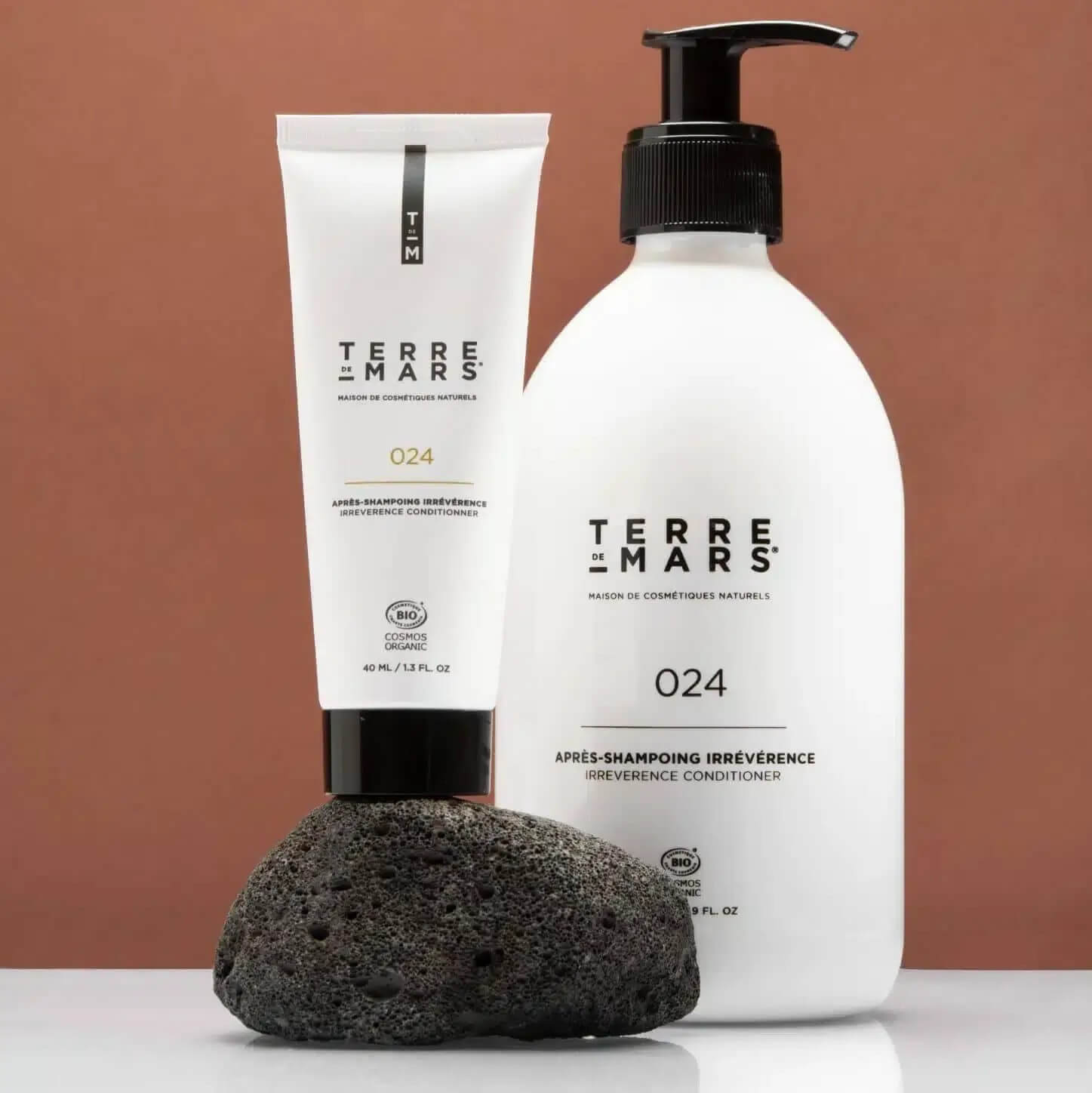
Terre de Mars is a French beauty & personal care brand offering natural, vegan, and refillable formulas. Their product range spans hair care, body & hand care, facial care, home fragrance, travel formats, and gift sets.
What makes them stand out
- Refillable & eco‑friendly packaging: They emphasize reducing plastic waste, with refill options and large/bulk formats (5 L, etc.). This helps both sustainability and cost savings for customers.
- Natural, high‑quality ingredients & transparency: Their offerings are organic, vegan, made in France; they also spotlight their ingredient sourcing and commitment to natural care.
- Generous assortments & formats: They provide many format sizes (travel, solid, bulk), gift boxes, diffusers, etc., which makes them appealing to different shoppers—those wanting to try, those wanting luxury, those wanting value.
- Strong storytelling & heritage vibes: Their “About” section includes evocative stories (like childhood memory, grandmother’s coffee grounds) that build emotional connection.
- Social proof & reputation: Over 286 customer reviews, with an average rating of ~4.77/5. They allow customers to share feedback (in their own words) which helps trust.
Why this matters
Terre de Mars demonstrates that a brand in beauty can differentiate not only through ingredients or design, but also via packaging philosophy (refillable, less waste), authenticity in storytelling, and solid customer feedback. For shoppers increasingly worried about sustainability and transparency, these features can make all the difference.
9. Puttr
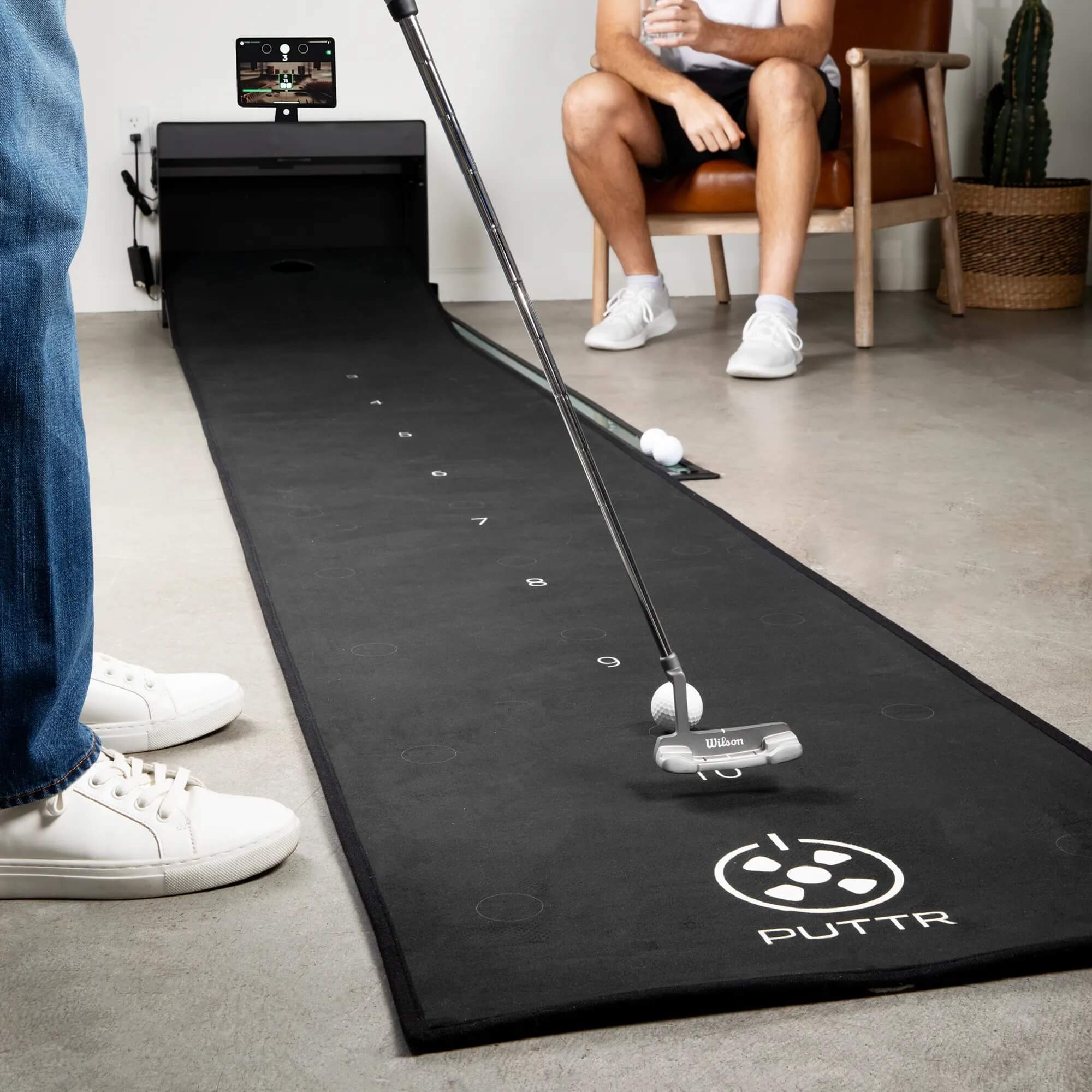
PUTTR is a next-level golf training brand offering what they call the “world’s first AI‑powered putting mat.” The company blends hardware, software, and gamification to transform the often repetitive task of putting practice into an engaging, data-driven experience.
What sets them apart:
- Smart Mat + AI Coaching: The mat comes with a built‑in sensor array and camera system that tracks your putts. It integrates with a mobile app that delivers personalized feedback, drills, and real-time coaching.
- Gamified Practice Modes: Beyond standard drills, PUTTR includes modes like “On Fire,” “Center Cut,” and other putting games to make practice competitive and fun.
- Portable & Compact Design: The product is designed to roll into its own box (mat, return mechanism, power cord) for easy storage or travel, which reduces friction for users to practice whenever.
- Community & Competitive Features: Users can challenge friends, track stats, and compare performance, helping drive engagement and retention.
Why it works:
PUTTR bridges the gap between sports equipment and fitness tech. It’s not just a putting aid—it’s a compelling system that keeps users engaged through feedback loops, challenges, and progression. The integration of AI coaching helps it stand out from generic mats or simulators.
PUTTR shows how blending hardware, software, and community features can elevate a niche sports category into a high-value e-commerce product. The lesson: transform a functional product into a connected, habit-forming experience.
10. Sunday Supply Co.
Sunday Supply is a beach‑and‑summer lifestyle brand based out of Australia (Byron Bay), creating premium beach essentials—umbrellas, chairs, towels, bags, apparel—with bold, vintage‑inspired designs and a touch of coastal elegance.
What makes them stand out
- Design + style pedigree: Their aesthetic leans heavily into vintage‑inspired prints, stripes, tassels, and fabrics that evoke classic coastal holiday vibes. It’s stylized enough to feel luxurious, but not so overdone that it loses utility.
- High quality materials & construction: Products often include features like UPF‑rated (sun protection) fabrics, durable wooden or alloy poles on umbrellas, water/tarel/fade‑resistant cushions, matching carrying bags, etc., so form follows function.
- Emphasis on aesthetic + physical comfort: The chairs and umbrellas are designed for long beach days—not just visual appeal but real usability (e.g. portability, angle adjustability, comfort of chair position).
- Brand story + identity rooted in place: Their origin and design inspiration are tied to beach culture and a laid‑back “Aussie summer” lifestyle. That helps them build lifestyle branding—not just beach gear sales.
- Strong visual & social proof: They show customer imagery, have been featured in magazines like Vogue, Domino, etc., getting external validation and style credibility.
Why this matters
Sunday Supply shows that even in the outdoor / beach gear market—where many brands compete on price or specs—there’s strong space for brands that double down on cohesive visuals, story, and quality. When customers can feel the brand’s personality, see the premium in the materials, and trust that what they buy will last, they’re more likely to invest.
11. Rossie Viren
Overview
Rossie Viren is a brand that specializes in exotic-skin leather goods, offering a diverse range of handbags, accessories, and footwear made from materials like crocodile, alligator, ostrich, and lizard. The company acts as a manufacturer, wholesaler, and retailer—serving both retail consumers and business clients worldwide.
What sets them apart:
- Exotic Leather Specialization & Bespoke Services
Rossie Viren positions itself as a high-end craftsman of exotic skin goods. They not only sell existing designs but also support custom orders, giving clients the option to choose leather types, colors, or even emboss logos or names. - Vertical Integration & Production Control
The brand claims more than 20 years in the industry and manages its own design, production, and quality control processes. They handle the full chain, from sourcing exotic skins to finishing and maintaining goods. - Global Wholesale & Dropship Support
Rossie Viren supports wholesale accounts, dropshipping, and OEM projects. They welcome small custom orders (as few as one piece) and handle product branding and bespoke work. - Wide Product Range & Inventory Flexibility
Their catalog is broad—handbags, wallets, belts, shoes, and 3D backpacks, among others—with both stock products and made-to-order items. If an item isn’t in stock, they’ll produce it within a timeline (10–45 days in many cases) to fulfill the order. - Trust & Reputation Mixed
Rossie Viren has a presence on review platforms like Trustpilot, where they hold a TrustScore of 2.8 / 5, based on mixed customer feedback regarding product quality, delivery, and authenticity. This suggests that while their exotic‑skin positioning is ambitious, customers’ experiences vary.
Why it works (and what to watch):
Rossie Viren’s value proposition lies in offering rare materials and customization backed by in-house production control. For customers seeking exclusive leather goods, that’s compelling. However, the mixed feedback shows that delivering consistency, transparency, and managing expectations is key, especially in the luxury and exotic goods space.
Key takeaway:
Rossie Viren demonstrates how niche luxury and custom leather goods can be scaled via e-commerce and global wholesaling. But it also highlights the importance of maintaining strong quality assurance, clear promises, and trustworthy reviews when selling high-stakes products to discerning buyers.
12. MoiataKozmetika
MoiataKozmetika (which translates loosely to “My Cosmetics” in Bulgarian) is an established Bulgarian online cosmetics retailer with over 13 years in business. They carry a broad spectrum of beauty products—from skincare, haircare, and makeup to home and pet care—serving as a one-stop shop for beauty and wellness enthusiasts in Bulgaria and beyond.
What sets them apart:
- Extensive & Curated Inventory
MoiataKozmetika stocks both European and Korean beauty lines, offering everything from K‑beauty sheet masks and actives (like niacinamide and centella) to classic European skincare, makeup, and body care. Their product variety extends to accessories, pet cosmetics, and even home cleaning items—reflecting their goal of being a comprehensive beauty and lifestyle shop. - Trust & Authenticity Claims
They emphasize that all items are original, certified, and directly imported from manufacturers—positioning themselves as a trustworthy source amid a competitive cosmetics market. - Localized Shopping Experience
The site displays prices in Bulgarian lev (BGN), includes local shipping terms (free delivery above a threshold), and supports Bulgarian language navigation—all of which make the shopping experience more accessible to their core market. - Promotions & Loyalty Focus
MoiataKozmetika runs continuous promotions (e.g. discounts up to 50 %) and maintains an outlet section. ( They also offer a loyalty program, which encourages repeat purchases and customer retention. - Content & Education
Their blog and site content include skincare routines, product guides, ingredient spotlights, and how‑to posts—especially around Korean beauty rituals and trending formulas. This content helps users make informed purchase decisions and positions the brand as more than just a retailer.
Why it works:
MoiataKozmetika leverages deep local market understanding while embracing global beauty trends. Their combination of wide product range, trust signals (original products, certifications), content marketing, and localized UX helps them compete strongly in the Balkan cosmetics space.
MoiataKozmetika shows the power of blending product scope with local relevance. For beauty brands or retailers targeting regional audiences, the lesson is: provide variety, back it with authenticity, and deliver a shopping experience tailored to your customer’s language, currency, and cultural expectations.
Emerging patterns from this selection
Across all 10 brands, one thing is clear: the most inspiring ecommerce companies today don’t just sell products—they sell experiences, perspectives, and trust. While their categories range from skincare to gym equipment to beach umbrellas, these brands share some common traits that explain why they’re resonating with modern shoppers.
They treat UGC as core content, not just a nice-to-have
Every brand on this list understands that the most compelling content often comes from their own customers. Whether it’s a photo of someone relaxing under a Sunday Supply umbrella or a video of a photographer reaching into their BevisGear camera bag mid-shoot, these brands use UGC to bridge the gap between “product” and “proof.”
More importantly, they don’t just let it sit on Instagram. They’re repurposing it across product pages, emails, landing pages, and paid ads—because it works. Real content from real customers builds confidence and makes products feel lived-in and accessible.
They make UGC interactive and shoppable
Static images and reviews only go so far. What sets these brands apart is their ability to turn customer content into conversion engines.
By using tools like Moast, they embed interactive shoppable videos and photo carousels right onto their storefronts. Visitors can explore real-life use cases, hear directly from customers, and even click to shop the exact products featured—all without leaving the page.
Instead of burying social proof in a testimonials tab, they bring it front and center, where it can actually influence buying decisions. Moast’s ability to transform UGC into fully shoppable experiences is helping brands like Pure Good, ActionGlow, and CTX Home Gyms turn happy customers into on-site brand advocates.
They blend performance and storytelling
Even the most utility-driven brands in this group—like CTX Home Gyms or Jigoo—find ways to tell a story. Sometimes it’s rooted in personal heritage (Evry Jewels), other times in a lifestyle (Sunday Supply) or pure function (BevisGear), but the result is the same: they don’t just talk about what the product does, they show what it means.
It’s this blend of narrative and real-world use that makes their content resonate. Shoppable UGC and video makes this easy—showing context, customer outcomes, and personality in a way polished product shots rarely can.
They’re focused, but flexible
These brands aren’t trying to be everything to everyone. They each have a distinct point of view—whether it’s rugged, refined, nostalgic, or technical—and they stay in their lane. But they’re also flexible in how they go to market. Many of them offer product bundles, upsells, customizations, and even content built around different use cases (home vs travel, beginner vs pro, indoor vs outdoor).
This ability to stay brand-consistent while creating flexible pathways for discovery is key—especially when paired with personalized and interactive content experiences.
They meet their customers where they are
It’s not just about which platforms they’re on—it’s about how they show up. These brands aren’t just posting the same product photos across social channels. They’re adapting their content (and content formats) to fit the vibe of each platform:
- TikTok for raw product demos and reactions
- Instagram for styled lifestyle photography and micro-influencer UGC
- YouTube or site embeds for more polished product walkthroughs
- Website UGC widgets (via Moast) for mid-funnel conversions
They’ve realized that what matters most isn’t the reach—it’s the relevance. And they’re investing in the tools and formats to make that happen.
What you can steal (ideas to incorporate in your brand)
You don’t need to reinvent your entire business to start seeing results. Sometimes, borrowing one or two smart moves from the right brands can make all the difference. Here are a few ideas from the brands above that you can adapt to fit your own ecommerce playbook:
Turn customers into your best marketers
Every one of the brands we spotlighted has embraced the power of real people showing real products. Start collecting video testimonials, casual photos, and authentic feedback from your happiest customers—and actually use it on your website. Tools like Moast make it dead simple to gather and display this content where it matters most: right on your product pages.
Make content work harder with interactivity
Don’t just post UGC to Instagram and hope for the best. Repurpose that content on your storefront—make it shoppable, interactive, and tied to your actual product catalog. Imagine a customer sees a real person using your product in a short video and can click right there to buy. That’s how you close the gap between interest and action.
Get obsessive about product usability
From BevisGear’s rapid-access camera bag to CTX’s install-ready gym equipment, the best products solve real problems. Ask yourself: what’s the biggest friction point in your customer’s journey—and how can your product reduce it? Even small improvements in packaging, assembly, or usage can drive serious word-of-mouth.
Focus your aesthetic, then commit to it
Whether it's Evry Jewels’ Gen Z-forward pop vibe or Sunday Supply’s laid-back coastal luxury, great brands don’t try to appeal to everyone. Find your visual identity and lean into it across every channel—photos, video, packaging, and copy.
Make your product pages feel like mini landing pages
Your product page shouldn’t just be a spec sheet—it should be a fully immersive experience. Use lifestyle photos, short-form video, UGC galleries, reviews, and even embedded customer interviews. Make it feel like a landing page built to convert, not just a listing with an “Add to Cart” button.
6. Add layers of proof—visual, social, and emotional
It’s not enough to say “people love it.” Show it. Highlight video reviews, before/afters, real use cases, and visual proof in action. The more ways someone can imagine your product in their life, the easier the decision becomes.
7. Offer multiple ways to buy or bundle
The best brands find flexible ways to sell—bundles, travel sizes, mix-and-match kits, starter sets, and giftable packs. These make purchasing easier (and more fun) for different types of customers without diluting the core brand
Conclusion: It’s not about size—it’s about strategy
The brands featured here aren’t all household names (yet). But what they have in common is a clear sense of who they are, who they serve, and how to create experiences that build trust over time.
They don’t just showcase products—they showcase real people using them. They don’t rely on one channel—they meet their customers where they are. And they don’t treat social proof as a checkbox—they turn it into an interactive, shoppable layer woven into every part of the store.
Whether you’re a solo founder, a small team, or scaling fast, the biggest takeaway is this: success doesn’t come from shouting louder. It comes from showing more clearly—what your brand stands for, why it matters, and how your product fits into the real lives of your customers.
And when you can show that through the lens of your actual community? That’s where the magic happens.
October 12, 2026
Related content
.jpg)
.jpg)
.jpg)
Turn your social content into a revenue channel
Turn your TikToks and Reels into shoppable videos and boost conversions by 3.5x.