
- Introduction
- What makes shoppable video different from traditional product video
- Why shoppable video drives revenue when done correctly
- Best shoppable video practices that actually drive revenue
- Real-world examples of shoppable video working
- How to scale shoppable video without burning your team
- Where tools fit into the picture
- Final thoughts: shoppable video is a revenue system, not a feature
Shoppable video has moved from “nice to have” to revenue driver for ecommerce brands. Not because video itself is new, but because the way shoppers buy has changed.
Customers no longer want to scroll through static product pages and guess how something looks, fits, or works in real life. They want proof. They want context. They want to see the product in motion, used by real people, in real environments.
That’s where shoppable video earns its keep.
But simply adding videos to your store does not guarantee more sales. In fact, many brands add shoppable video and see little impact because they treat it like decoration instead of a conversion tool.
This guide breaks down the shoppable video practices that consistently drive revenue, based on what actually works on Shopify stores today.
No theory. No fluff. Just proven patterns, placement strategies, and execution details you can apply immediately.
What makes shoppable video different from traditional product video
Before diving into best practices, it’s worth clarifying what separates shoppable video from the product videos brands have used for years.
Traditional product video is passive.
Shoppable video is interactive.
A standard product video:
- Plays once.
- Lives in a media gallery.
- Requires the shopper to scroll back up and find a buy button.
A shoppable video:
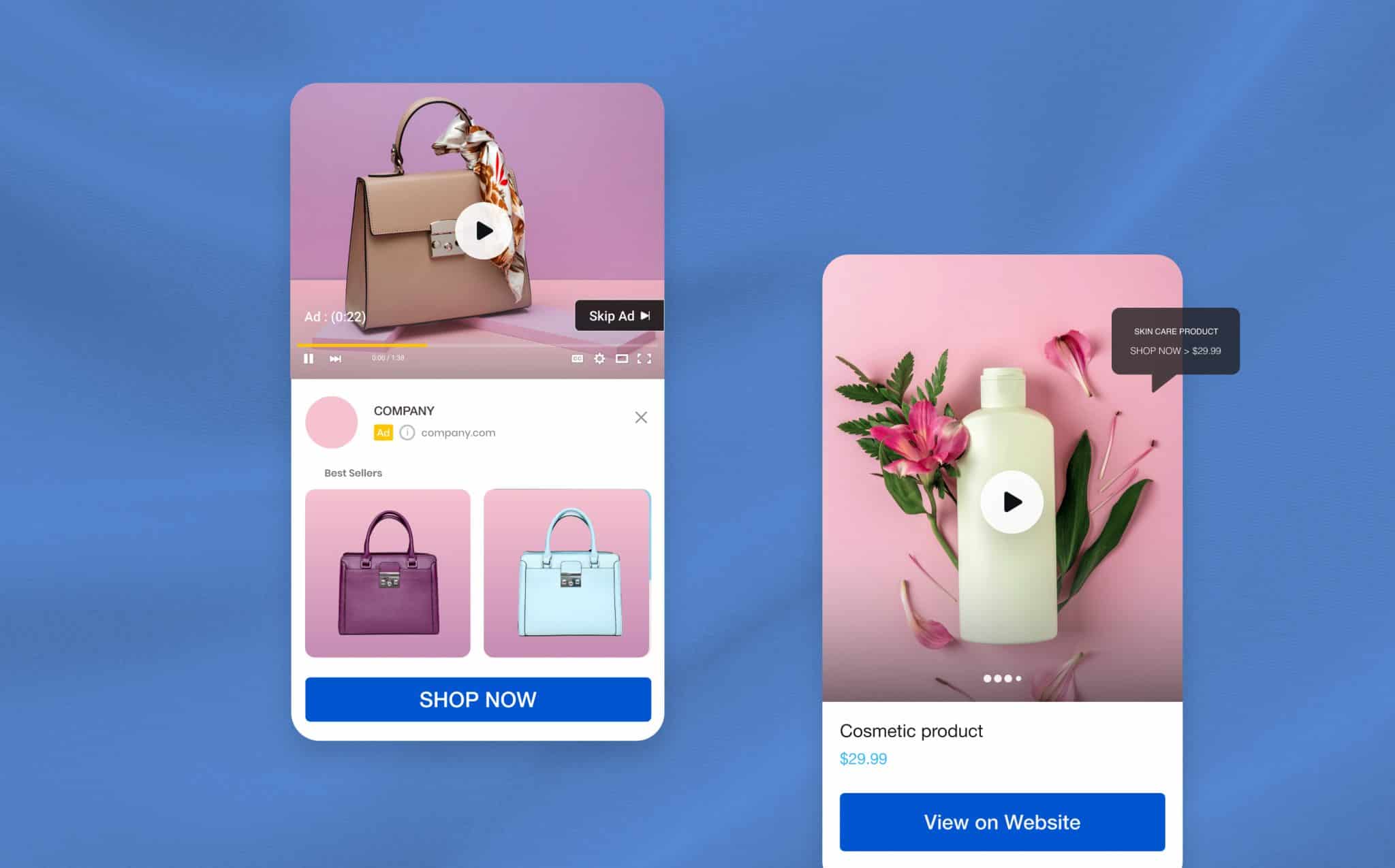
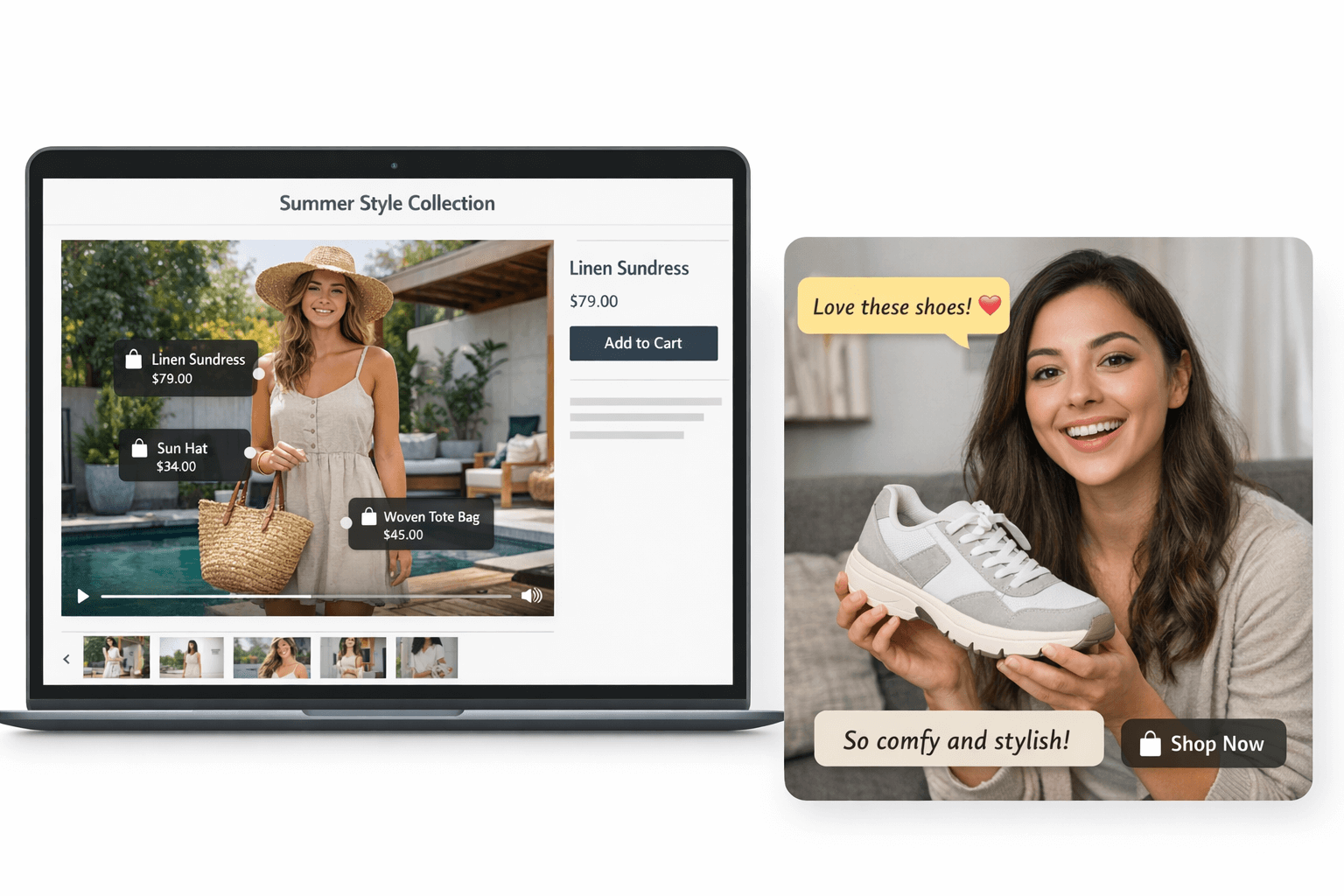
- Allows products to be tagged directly inside the video.
- Keeps the shopper in context.
- Reduces friction between interest and purchase.
That difference matters because ecommerce conversions often hinge on momentum. The fewer steps between “this looks good” and “add to cart,” the higher the chance of conversion.
Shoppable video collapses that distance.
Why shoppable video drives revenue when done correctly
Brands that see real revenue impact from shoppable video usually benefit in three areas:
1. Higher conversion rates on product pages
When shoppers can see real usage, scale, texture, and movement, hesitation drops. This is especially true for:
- Apparel and accessories
- Home goods and furniture
- Fitness, outdoor, and lifestyle products
- Beauty and skincare
Video answers questions that text and photos cannot.
2. Increased time on site
Interactive video keeps shoppers engaged longer. Longer sessions tend to correlate with higher purchase intent, particularly for higher-consideration products.
3. Better traffic monetization
Shoppable video helps brands squeeze more revenue from the same traffic. Instead of pushing harder on ads, brands convert existing visitors more efficiently.
The key is execution.
Best shoppable video practices that actually drive revenue
1. Place shoppable videos where buying decisions happen
One of the most common mistakes brands make is hiding shoppable video too far down the page or isolating it in a gallery no one clicks.
High-performing stores place shoppable video:
- Above the fold on product pages
- Directly under the product title or price
- Inside the product image carousel
- In sticky sections that follow scroll behavior
The goal is simple:
Put video where intent already exists.
Shoppers on a product page are not browsing casually. They are evaluating whether to buy. Video should support that decision, not distract from it.
2. Use real customers instead of polished brand videos
Highly produced brand videos often look impressive but underperform on product pages. This Redditor had the same thought.
Why?
They feel like ads.
Revenue-driving shoppable video usually features:
- Real customers
- Real homes or environments
- Natural lighting
- Imperfect but authentic delivery
Customer-generated video feels closer to a recommendation than a pitch. It reduces skepticism and increases trust.
Brands that rely heavily on studio footage often see lower engagement and weaker conversion lifts than those using authentic customer content.
3. Keep videos short and focused on one outcome
Shorter videos outperform longer ones in most ecommerce contexts.
The sweet spot for shoppable video:
- 15 to 45 seconds
- Focused on one product or one use case
- One clear takeaway
Long videos try to do too much. Shoppers don’t need a full brand story when they are deciding whether a product fits their needs.
Examples of high-performing video angles:
- “Here’s how this fits”
- “This is what it looks like in real life”
- “Here’s how I use it every day”
- “Before and after using this product”
Each video should answer one core question.
4. Tag products clearly and contextually
Shoppable video only works if shoppers understand what they can click.
Best practices for product tagging include:
- Tagging the product early in the video
- Keeping product names short and recognizable
- Avoiding clutter with too many tags at once
Tagging every product in the frame often hurts performance. It creates decision fatigue and reduces clarity.
If a video features multiple products, guide the shopper visually and verbally:
- Introduce one product at a time
- Let the tag appear as the product is mentioned or used
Clarity beats cleverness.
5. Design shoppable video for mobile first
Most Shopify traffic is mobile. Shoppable video that looks great on desktop but breaks on mobile will quietly kill revenue potential.
High-converting mobile shoppable video:
- Uses vertical or square formats
- Has large, tap-friendly product tags
- Loads quickly without blocking page interaction
- Avoids tiny text overlays
Always test video interactions on an actual phone. What feels obvious on desktop can feel cramped or confusing on mobile.
6. Use shoppable video to reduce uncertainty, not just inspire
Inspiration is valuable, but revenue comes from removing doubt.
Shoppable video should answer questions like:
- How big is this really?
- What does it look like on someone like me?
- How does it work day to day?
- Is it worth the price?
Videos that focus only on lifestyle aesthetics often drive engagement but not purchases.
Revenue-focused videos lean practical:
- Fit and sizing demos
- Assembly or setup walkthroughs
- Side-by-side comparisons
- Real-world use over time
When uncertainty drops, conversion rises.
7. Treat shoppable video as social proof, not just content
Shoppable video works best when it behaves like social proof.
That means:
- Showing faces
- Including names, locations, or profiles when possible
- Highlighting repeat customers
- Featuring genuine testimonials alongside product usage
Shoppers trust people more than brands. When video feels like a recommendation from another customer, it carries more weight than polished marketing copy.
8. Add shoppable video beyond the product page
Product pages are the most important placement, but they are not the only opportunity.
Revenue-driving stores also use shoppable video on:
- Homepage sections to guide discovery
- Collection pages to showcase best sellers
- Landing pages tied to paid traffic
- Blog posts with product education
- Post-purchase pages to drive upsells
When video follows the shopper through the funnel, it reinforces confidence at every step.
9. Connect shoppable video to real performance metrics
Shoppable video should never be measured by views alone.
Metrics that matter:
- Conversion rate lift on pages with video
- Click-through rate on product tags
- Add-to-cart rate
- Revenue influenced by video interactions
- Time on site changes
Brands that tie video performance to revenue can iterate faster and double down on what works.
If you cannot connect video engagement to sales, you are flying blind.
10. Refresh shoppable video regularly
Stale video performs worse over time.
Shoppers notice when content looks outdated, especially customer-generated content tied to trends, seasons, or product updates.
Best practices:
- Rotate new videos in monthly or quarterly
- Retire low-performing videos
- Feature seasonal use cases
- Highlight new customer stories
Fresh content keeps your store feeling active and trustworthy.
Common mistakes that limit shoppable video revenue
Even brands that invest in video often sabotage results unintentionally.
Treating video like decoration
Video placed far below the fold or buried in tabs rarely drives revenue.
Over-producing everything
Perfection often kills authenticity. Slightly raw content usually performs better.
Ignoring mobile experience
If product tags are hard to tap or videos load slowly, shoppers leave.
Measuring the wrong metrics
High views with low conversions signal a placement or messaging problem.
Avoiding these mistakes often unlocks quick wins.
Real-world examples of shoppable video working
Across ecommerce categories, similar patterns repeat:
- Apparel brands see fewer returns when shoppers understand fit and fabric.
- Furniture brands increase confidence when customers show scale in real homes.
- Fitness brands convert better when workouts are demonstrated by real users.
- Beauty brands reduce hesitation when customers show results over time.
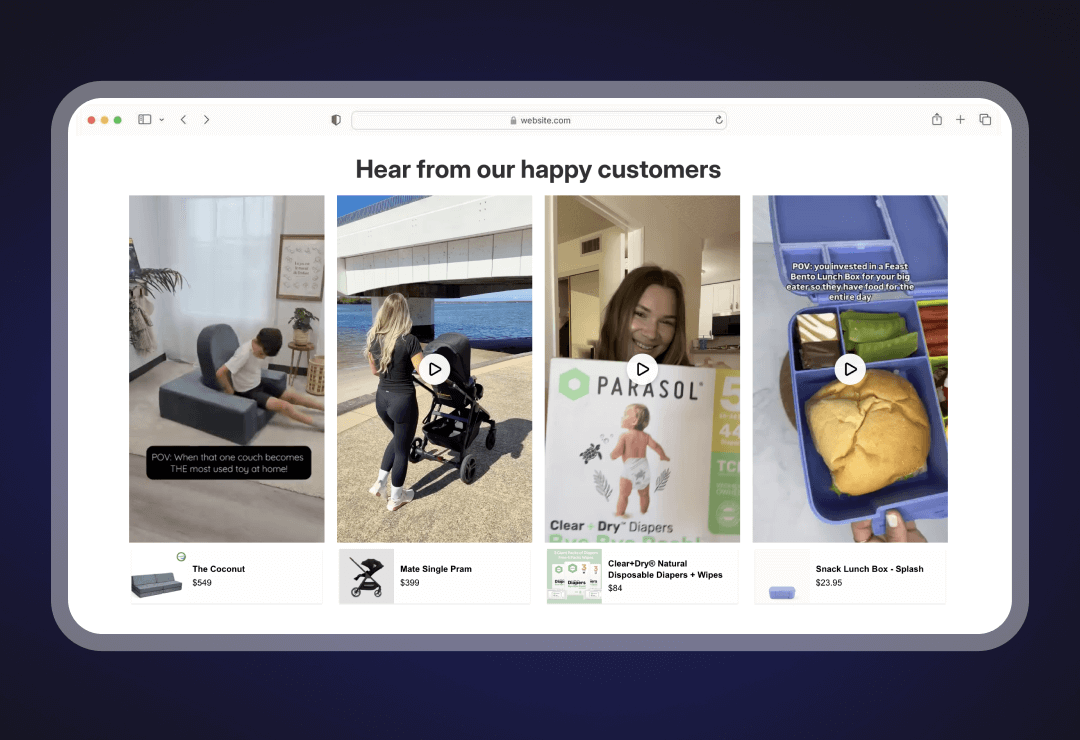
The common thread is not production quality.
It is clarity and trust.
How to scale shoppable video without burning your team
One challenge many brands face is scale. Producing enough video consistently can feel overwhelming.
Successful brands:
- Build lightweight processes for collecting customer video
- Reuse video across PDPs, collections, and ads
- Let customers do the storytelling
- Focus on systems, not one-off campaigns
When video collection becomes part of your customer experience, not a special project, scale follows naturally.
Where tools fit into the picture
Technology matters, but only after strategy.
The right shoppable video platform should:
- Load fast on Shopify themes
- Support mobile-first interaction
- Allow easy product tagging
- Track performance tied to revenue
- Make it simple to collect and manage customer video
Tools should remove friction, not add complexity.
Final thoughts: shoppable video is a revenue system, not a feature
Shoppable video works when it is treated as part of your conversion strategy, not an add-on.
Brands that win with shoppable video:
- Place it intentionally
- Focus on authenticity
- Optimize for mobile
- Measure revenue impact
- Refresh content regularly
When done right, shoppable video does not just look good.
It earns its place on your store by driving real sales.
If you want to explore how brands are turning customer-generated video into interactive, shoppable experiences across their Shopify stores, tools like Moast are designed specifically for that use case, helping merchants collect authentic content and convert it into measurable revenue.
October 12, 2026
Related content
.jpg)
.jpg)
.jpg)
Turn your social content into a revenue channel
Turn your TikToks and Reels into shoppable videos and boost conversions by 3.5x.